Guide How to get rid of German cockroaches permanently using professional pest control
Guide How to get rid of German cockroaches permanently using professional pest control
Blog Article
German cockroach control in Canada takes more than a fast spray. A lasting result requires finding the nest areas, removing food and water sources, placing professional bait correctly, and returning to treat newly hatched cockroach nymphs. A single visible insect may point to a larger cockroach infestation behind cabinets, appliances, or walls.
The German cockroach, also called Blattella germanica, acclimates fast to indoor conditions. It reproduces in warm, damp areas with nearby food. Professional cockroach extermination brings together inspection, targeted treatment, sanitation, monitoring, and prevention. This process gives you a better path toward permanent cockroach removal while cutting down on unnecessary pesticide exposure.
What Makes German Cockroaches Difficult to Remove
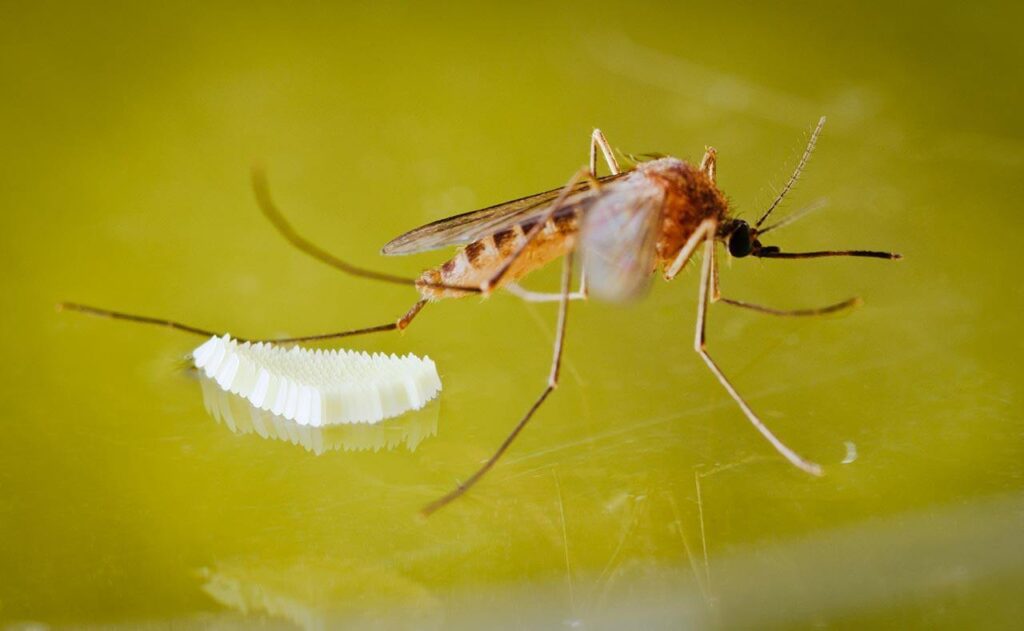
A German cockroach has a brief cockroach life cycle. Under suitable indoor conditions, adults can mate and produce multiple egg cases. Each cockroach egg case may hold several developing young. The female often holds the case until shortly before the cockroach nymphs appear, which protects the eggs from some surface treatments.
Quick reproduction makes a small problem increase quickly. A few insects inside a kitchen can become a large population within weeks if food, moisture, and shelter remain available. Cockroach breeding often carries on inside cracks, appliances, and wall spaces that are hard to reach with household products.
Spraying visible insects may eliminate some adults but leave the egg cases and hidden nymphs untouched. German cockroaches can also avoid treated areas and move deeper into a building. Pesticide resistance brings another challenge. A product that was effective in the past may have little effect on a resistant population.
Effective German cockroach control addresses every stage of the life cycle. It combines sanitation, professional cockroach bait, crack and crevice treatment, monitoring, and a scheduled follow-up treatment.

How to Recognize a German Cockroach Issue
German cockroach identification depends on the insect’s features. Adults are usually pale brown or beige and have two dark, parallel brown bands behind the head. They are tiny, quick, and often hide as soon as a light turns on.
Common cockroach infestation signs are:
- Living insects in cupboards, kitchens, bathrooms, or laundry areas
- Small dark marks that look like pepper around copyrights, corners, and drawer tracks
- Brown or black cockroach droppings inside cupboards and near appliances
- Shed skins, dead insects, and small pale cockroach nymphs
- A musty, oily cockroach odour during a serious infestation
- Egg cases attached to hidden surfaces
Daytime sightings deserve attention. German cockroaches usually prefer darkness, so seeing them during the day may indicate crowding, a high infestation level, or disturbed harbourage areas. Finding insects in more than one room can also point to the problem spreading.
Do not rely on one sighting alone. A cockroach monitoring trap can reveal where activity is highest and whether treatment is working. Write down the location and time of each sighting. This information helps a technician track movement and select treatment points.
Areas Where German Cockroaches Stay Hidden Indoors
German cockroaches seek tight, comfortable spaces near food and water. Their main cockroach hiding places often include kitchen cabinets, drawer tracks, copyrights, and gaps around shelving. They may stay behind cabinet backs or beneath loose laminate.
Appliances offer warmth and shelter. Examine the spaces behind refrigerators, dishwashers, ovens, microwaves, coffee machines, and other equipment that produces heat. Small gaps around cords and pipes can join these areas to wall spaces.
Plumbing voids are typical travel routes. Openings around sink pipes, dishwasher lines, and bathroom fixtures can extend into wall voids or adjoining rooms. A German cockroach may travel through these gaps in search of moisture, food residue, or a safer harbourage area.
During a cockroach inspection, a technician checks seams, joints, cracks, and concealed spaces rather than treating only open floors. Targeted crack and crevice treatment targets areas where insects rest while restricting treatment on exposed surfaces.
What Attracts German Cockroaches Inside Homes
German cockroaches do not need large amounts of food. Food crumbs under an appliance, grease around a stove, or food residue inside a drawer may sustain activity. Open pet food, unwashed dishes, and full rubbish containers can also provide regular feeding opportunities.
Moisture is also essential. Leaking taps, damp cabinet bases, condensation around pipes, and wet cloths create ideal conditions. Moisture and pests often occur together because German cockroaches need water to live and breed.
Clutter gives insects places to hide. Stacked cardboard, paper bags, unused appliances, and crowded cupboards make inspection and treatment less effective. Items brought into a building can also carry insects or an egg case.
Preventing cockroaches begins with simple sanitation measures:
- Wipe food residue from counters, shelves, and appliance surfaces.
- Keep dry goods in sealed containers.
- Remove crumbs from floors and cabinet corners.
- Dispose of rubbish regularly and wash the container.
- Dry sinks and repair dripping fixtures.
- Limit cardboard, paper piles, and unused packaging.
Expert German Cockroach Control in Canada
Professional German cockroach control in Canada starts with a thorough inspection. A licensed pest control professional checks the building, finds harbourage areas, checks for food and moisture sources, and determines whether insects have moved beyond one room.
Mosquito Man is one business that may be included when comparing pest service providers. Before treatment, ask any provider about the products used, preparation requirements, safety instructions, monitoring plan, and follow-up visits.
Professional pest control usually follows integrated pest management. This approach does not depend on repeated broad spraying. It combines inspection, sanitation, exclusion, gel bait, monitoring, and appropriate pesticide applications. The goal is to lower the population while addressing the conditions that support it.
Inspection and Pest Assessment
The inspection should include kitchens, bathrooms, utility areas, storage spaces, and rooms connected by plumbing or wall voids. A technician looks for live insects, droppings, egg cases, shed skins, food residue, water sources, and signs of movement.
Monitoring traps help assess activity before and after treatment. A cockroach monitoring trap placed beside a refrigerator may show more activity than one placed in an open area. Technicians use these results to locate harbourage areas and estimate the infestation level.
An apartment cockroach infestation may include more than one unit. Shared plumbing, wall voids, deliveries, and movement through common building spaces can allow reinfestation. In these situations, joint inspections and treatment may be needed. Tell the technician about previous treatments, recurring sightings, and any products already applied.
Targeted Bait Treatment
Professional cockroach bait works because German cockroaches take small amounts back to harbourage areas. Gel bait treatment places small applications near seams, copyrights, pipe openings, appliance voids, and other routes. The technician chooses locations based on inspection findings, not on a fixed pattern.
A bait station may be used where a protected container suits the area. Bait stations can help keep product contained, while gel bait works well in small cracks and protected gaps. Never place household cleaning products or sprays over bait. These products can drive away insects and limit feeding.
An insect growth regulator may be part of the treatment plan. It interferes with growth and reproduction, which can reduce the number of insects that become adults. It does not replace sanitation or follow-up visits, since existing adults and hidden egg cases still need to be addressed.
Good bait placement matters more than applying a large quantity. Too much product in exposed locations can create potential hazards and may not reach the insects. A technician may also use targeted applications in cracks and crevices when bait alone cannot address a particular shelter.
Follow-Up Service and Re-Treatment
A first visit rarely confirms complete control. Newly hatched nymphs may appear after the initial service, and hidden insects may move as conditions change. A follow-up treatment checks activity, replaces consumed or dried bait, adds treatment where needed, and confirms whether the infestation is shrinking.
The treatment schedule depends on the size of the infestation, building conditions, product label directions, and inspection results. Follow-up pest treatment may occur after a planned interval, with later visits based on inspection findings.
Do not clean away every treated area before the technician inspects it. Ask which surfaces can be cleaned and which must remain in place. Report fresh sightings between visits, especially if you see young insects, egg cases, or insects in a different room.
How to Prepare for Certified Pest Control
Proper preparation opens up treatment areas and helps treatment reach hidden insects. Read and follow the provider’s preparation instructions. They may vary based on the product and the areas requiring treatment.
- Finish housekeeping before the appointment.
- Store food into sealed containers and take away exposed dishes.
- Empty selected cupboards and drawers if requested.
- Take away clutter from floors, counters, and appliance edges.
- Remove grease, food residue, and crumbs without spreading debris into other rooms.
- Fix accessible leaks or notify the technician to the technician.
- Provide access to sinks, appliances, utility spaces, and storage areas.
- Keep away children and pets away from treated areas as directed.
Proper food storage is especially useful after treatment. Do not leave open packages on counters or inside thin cardboard boxes. Place grains, snacks, pet food, and baking ingredients in closed containers. These steps support sanitation and reduce competition with cockroach bait.
Ways to Prevent German Cockroach A Reinfestation
A new infestation can happen when insects enter through deliveries, used appliances, shared walls, plumbing routes, or items stored in infested areas. Prevention needs both exclusion and monitoring.
Use caulking around pipe openings, cabinet seams, baseboard gaps, and other small entry points. A technician can advise which gaps need sealing after treatment. Do not seal an active harbourage before it has been inspected, since insects may be forced into another area.
Leak repair supports humidity control. Fix dripping taps, damaged seals, damp cabinet bases, and plumbing leaks. Keep sinks dry overnight where practical. Improve ventilation in areas that stay humid.
Door seals can reduce movement between rooms and limit access to food areas. Check that exterior and interior doors close properly. Keep rubbish sealed and clear away cardboard promptly.
Ongoing monitoring gives you an early warning. Place monitoring traps in approved locations and check them on a regular schedule. A few trapped insects may signal a new introduction before a larger population develops. Continue sanitation and food storage even after sightings stop.
DIY Methods Compared with Professional Cockroach Control
An over-the-counter insecticide may kill a cockroach that you can see, but it often misses insects inside wall voids, appliances, and cabinet gaps. A cockroach spray can also drive insects into new hiding places. Spraying near bait may stop cockroaches from feeding on it.
Some populations show pesticide resistance. If the same active ingredient is used repeatedly, control may become less effective. A licensed pest control professional can review the treatment history and select products and methods that fit the site and label requirements.
DIY cockroach bait can help with a small, newly discovered problem when placed correctly. It may not be enough for a large infestation, an apartment cockroach infestation, or activity across several rooms. Products should never be mixed, moved into food areas, or used outside label directions.
Expert treatment provides a coordinated plan. It finds the source, tracks activity, uses gel-based bait and focused treatment, inspects for egg cases, tracks results, and plans return visits. Pesticide safety also gets better when products are applied only where needed and as directed on the label.
When to Call a Pest Control Professional
Call a qualified pest control expert when sightings keep occurring after cleaning and baiting, when insects appear in several rooms, or when you find a returning infestation. Repeated activity often means that hidden harbourage areas, plumbing routes, or neighbouring spaces have not been addressed.
Daytime cockroach sightings are another warning sign. They may indicate a crowded population or disturbance from previous sprays. Finding multiple life stages, such as adults, nymphs, and egg cases, confirms active reproduction.
Seek licensed assistance when activity spreads from a kitchen to bathrooms, bedrooms, storage areas, or adjoining my sources units. Early treatment can reduce contamination, reduce treatment complexity, and help stop the infestation before it reaches more hiding areas.
Common Questions
How can I identify These cockroaches in my Canadian home?
Look for small, fast, light-brown insects with two dark brown bands behind the head. Other German cockroach signs include black droppings, shed skins, egg cases, nymphs, and a musty odour. A cockroach monitoring trap can help verify activity and show where insects are concentrated.
Where do German cockroaches usually hide?
They commonly hide in kitchen cabinets, appliance gaps, drawer tracks, plumbing voids, wall voids, and cracks near sinks. They prefer tight spaces close to food and moisture. A professional cockroach inspection can find harbourage areas that are not visible during routine cleaning.
What attracts German roaches indoors?
Food crumbs, food residue, open rubbish, pet food, clutter, and moisture attract German cockroaches. Leaks and damp surfaces provide water. Poor food storage also gives insects regular access to supplies. Sanitation, moisture control, and sealed containers limit these attractants.
What baits work best against German cockroaches?
Expert-grade cockroach bait and gel bait are often successful when positioned near current harbourage areas. The most suitable product depends on the infestation, bait resistance, building conditions, and treatment history. A bait station may work well in exposed or sensitive locations. Do not apply insecticide over bait.
When should I call a pest control professional?
Call when you see insects repeatedly, notice daytime activity, find multiple life stages, or observe infestation spread. Professional help is also recommended when DIY sprays have failed or when you suspect pesticide resistance. A planned inspection, treatment, monitoring, and follow-up can address the infestation more fully.
Report this page